
Why Positive Teacher–Student Relationships Matter?
When we think about education, we often imagine classrooms, books, and exams. But what truly shapes a child’s learning experience goes far beyond academics. At the heart of every meaningful classroom experience lies a strong teacher-student relationship.
This connection influences how comfortable children feel while asking questions, sharing ideas, or expressing concerns. When students feel respected and understood, they are more willing to participate and grow.
A positive connection with a teacher can shape confidence, behaviour, and even long-term goals. In this article, we explore why these relationships matter and how schools can nurture them to support every child’s overall development.
Why Positive Teacher–Student Relationships Matter
A strong teacher and student relationship forms the foundation of a healthy learning environment. Since children spend much of their day at school, teachers often become trusted guides in their educational journey. When students feel heard and respected, they participate more actively and show greater interest in learning.
Trust also reduces fear and hesitation. Students feel comfortable sharing doubts or challenges when they know their teacher will respond with understanding. This creates a classroom environment where mistakes are viewed as part of the learning process.
Such relationships also improve behaviour. Mutual respect makes discipline smoother and encourages responsibility. Most importantly, encouragement from a teacher builds self-belief, helping students stay motivated and confident even when learning feels challenging.
Also Read: 13 Safety Rules At School For Kids
Building Positive Teacher-Student Relationships
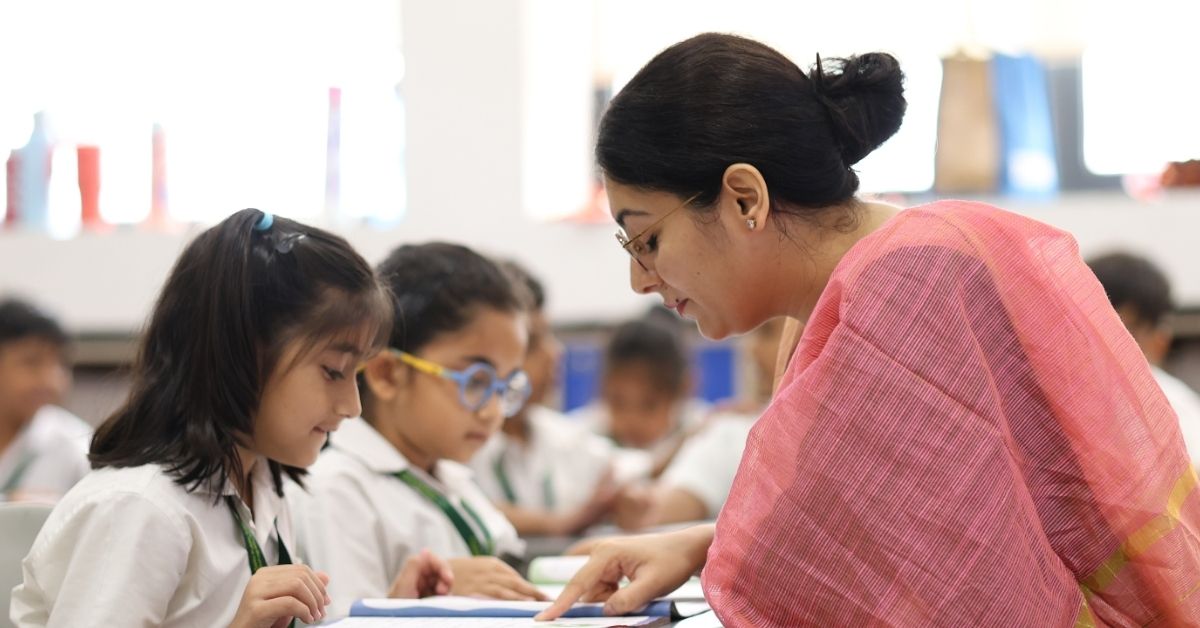
Teachers can build positive relationships in the following ways:
1. Keep Communication Open
Teachers should make it easy for students to speak freely in class. When students are encouraged to share ideas, ask questions, and express concerns, they feel respected. Honest conversations help build trust and create a more comfortable learning space.
2. Understand Each Student
Every child is unique. Some learn quickly, while others need more time and guidance. When teachers show patience and make an effort to understand each student’s circumstances, it makes children feel supported rather than judged. This strengthens the connection in the classroom.
3. Involve Students in Learning
Students feel more connected when they are actively involved. Asking for their opinions, letting them lead activities, or including them in small decisions helps them feel valued. This sense of involvement increases interest and responsibility towards learning.
4. Be Approachable
Students should feel comfortable going to their teacher for help. A friendly tone and welcoming attitude reduce fear. When teachers are available to listen, students are more likely to speak honestly about their difficulties.
5. Appreciate Effort and Progress
Success is not measured only by high marks. Recognising effort, improvement, and good behaviour encourages students to keep trying. Simple appreciation can boost confidence and motivate students to work harder.
6. Treat Everyone Fairly
Students notice when rules are applied differently. Being fair and consistent builds respect. When teachers treat all students equally and set clear expectations, it creates a balanced classroom where everyone feels valued.
Also Read: The Importance of Physical Education in Schools
Benefits of a Positive Teacher–Student Relationship
Here are ten benefits of building a positive teacher-student relationship:
1. Better Academic Results
Students tend to achieve higher marks when they feel supported by their teachers. When they are comfortable asking questions and clarifying doubts, their understanding improves. A positive classroom connection allows teachers to notice learning gaps early and guide students effectively, leading to steady academic progress.
2. Improved Emotional Well-Being
A caring teacher can make school feel like a safe place. When students know someone is willing to listen without judgment, they feel less anxious during difficult situations. Emotional reassurance from teachers helps students manage stress better and develop a healthier attitude toward learning and challenges.
3. Increased Engagement in Class
Students are more attentive when they feel connected to their teacher. They participate in discussions, respond thoughtfully, and show curiosity about lessons. This active involvement makes learning more meaningful and helps students retain information more effectively.
4. Positive Classroom Behaviour
Mutual respect between teachers and students leads to better behaviour in class. When students feel valued, they are more likely to follow instructions and cooperate with others. A respectful atmosphere reduces conflict and creates a more focused and peaceful learning environment.
5. Stronger Self-Confidence
Encouragement from teachers plays a significant role in building confidence. When students receive appreciation for their effort and improvement, they begin to believe in their abilities. This self-belief encourages them to take initiative and face academic challenges without fear.
Also Read: 15 Benefits of Yoga For Students to Improve Focus
6. Development of Social Skills
Daily interaction with teachers helps students learn how to communicate respectfully and work collaboratively. Teachers who model patience, listening, and fairness influence how students treat others. Over time, students develop better listening skills, empathy, and cooperation.
7. Reduced Risk of Disengagement
Students who feel connected at school are less likely to lose interest in their studies. A sense of belonging keeps them involved in classroom activities and school events. Feeling valued motivates them to attend school regularly and sustains their commitment to learning.
8. Greater Motivation to Achieve Goals
Teachers often guide students in setting clear and realistic goals. With proper support, students learn how to plan and work toward these goals step by step. Achieving even small targets builds discipline and strengthens their belief in their potential.
9. Stronger Problem-Solving Skills
When teachers encourage open thinking and allow students to explore ideas, children learn to approach problems calmly. Instead of fearing mistakes, they learn to analyse situations and find solutions. This mindset builds resilience and confidence in handling challenges.
10. Preparation for Future Success
The values gained through a positive teacher and student relationship extend beyond the classroom. Students develop responsibility, communication skills, and respect for others. These qualities help them adapt to higher education and future workplaces with confidence and maturity.
Also Read: The Benefits of Mindfulness and Meditation for Teenagers
Conclusion
Positive teacher–student relationships are the foundation of meaningful education. When students feel respected, supported, and encouraged, they grow not only academically but also emotionally and socially. Schools that prioritise strong connections between educators and learners create environments where children feel confident and motivated.
At institutions such as DPS Gurgaon, the focus on nurturing trust and mutual respect helps students develop into capable and responsible individuals, ready to face future opportunities with confidence.
 CHAT
CHAT