
12 Notable Indian Scientists & Their Inventions
Science is all around us, from the phones we use to the way we travel, communicate, and stay healthy. These developments are not accidental; they are the result of years of research, experimentation, and innovation.
Scientists play a crucial role in turning ideas into practical solutions that improve our daily lives. Many such advances are possible because of the work of Indian scientists who spent years asking questions and developing better ways to solve problems.
Some explored space, others worked in medicine, and many focused on improving everyday life through science and engineering. In this article, you will read about the Indian scientists whose discoveries and inventions made a lasting impact on science and society.
Their journeys remind students that learning does not stop in classrooms and that curiosity, effort, and patience can lead to ideas that change the world. Let us explore the lives, work, and achievements of India’s remarkable scientists.
1. C. V. Raman
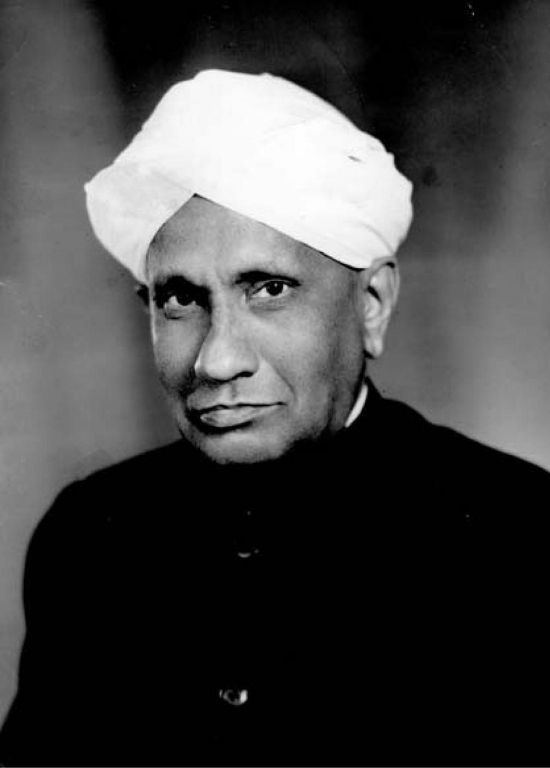
V. Raman was one of India’s most important physicists and an Indian scientist, and is best known for discovering the Raman Effect. This discovery explains how light changes when it passes through different substances.
It helped scientists study the structure of materials in greater detail. His work proved useful in fields like as chemistry, medicine, and materials science. In 1930, he won the Nobel Prize in Physics, becoming the first Asian scientist to receive this honour. Even today, the Raman Effect is used in laboratories around the world.
2. Homi J. Bhabha
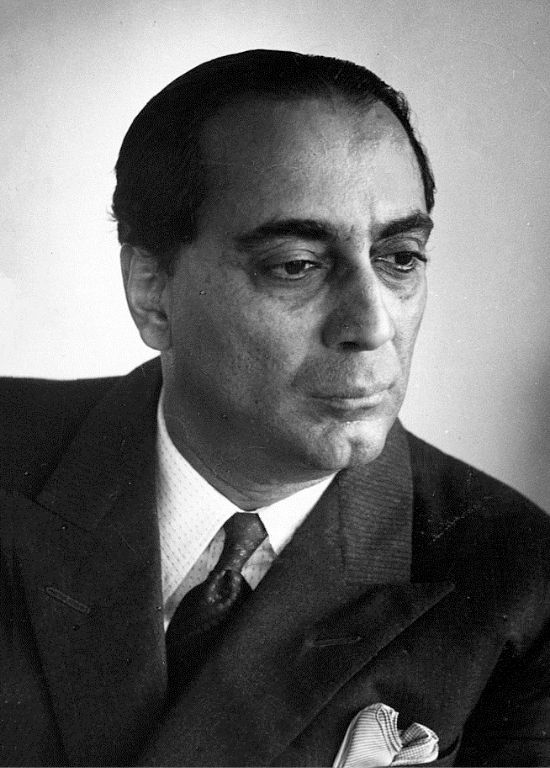
Homi J. Bhabha was a physicist who played a key role in shaping India’s early work in nuclear science. Born in 1909, he focused his research on quantum theory and nuclear physics at a time when these fields were still emerging.
He helped establish India’s atomic research framework by guiding the creation of major scientific bodies, including the Atomic Energy Commission. Bhabha was also behind the establishment of important research centres like the Bhabha Atomic Research Centre (BARC) and the Tata Institute of Fundamental Research (TIFR), which continue to support long-term scientific research.
His efforts helped India move forward in nuclear research and encouraged future generations to take up advanced scientific work.
Also Read: Top 15 Female Freedom Fighters of India
3. Dr. A. P. J. Abdul Kalam
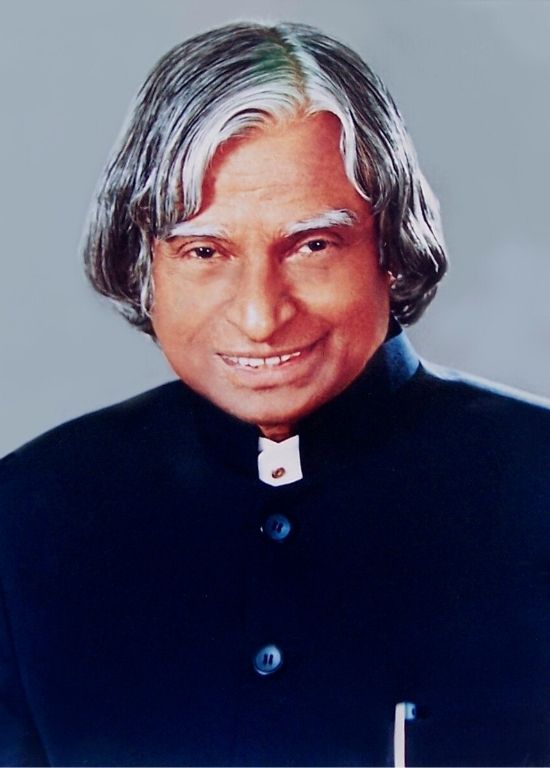
Dr. A. P. J. Abdul Kalam was an aerospace scientist who made major contributions to India’s space and defence programmes. He was one of the most respected Indian scientists and also served as the 11th President of India from 2002 to 2007.
He worked on developing satellite launch vehicles and played an important role in building missile systems such as Agni and Prithvi. His leadership helped strengthen India’s defence capabilities and space technology.
Kalam believed that science should be used for national progress and self-reliance. Beyond his scientific work, he inspired students across the country through his speeches and writings, encouraging them to dream big and work hard.
4. Jagadish Chandra Bose
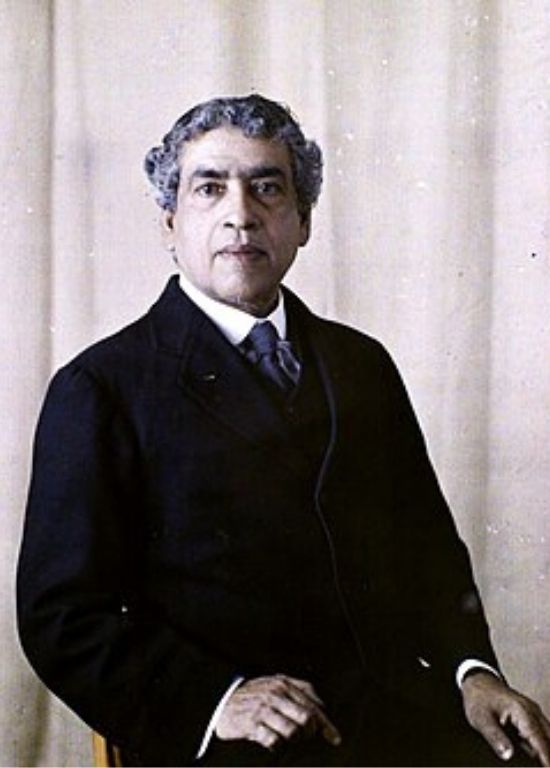
Jagadish Chandra Bose was a pioneering scientist who worked across physics and biology at a time when these fields were still growing. He is best known for inventing the crescograph, a device that could measure how plants respond to light, sound, and other external changes.
Through this work, he showed that plants are sensitive and responsive to their surroundings. Bose also carried out early experiments in wireless communication.
He believed scientific knowledge should be shared openly and chose not to patent his inventions. His work influenced future research in plant science and communication.
Also Read: The Importance of Cultural Activities in School
5. Satyendra Nath Bose
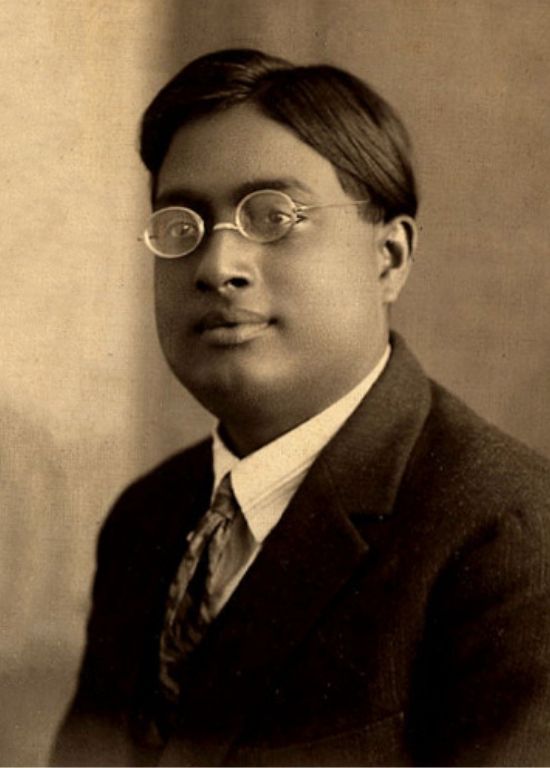
Satyendra Nath Bose was a physicist whose work played an important role in the development of quantum mechanics. He worked on ideas that explained how certain particles behave at very low temperatures. His research later caught the attention of Albert Einstein, who supported and expanded Bose’s work.
This led to the concept of bosons, a group of particles named after him. Bose’s ideas helped scientists understand matter at a deeper level and continue to influence modern physics and space research.
6. Vikram Sarabhai
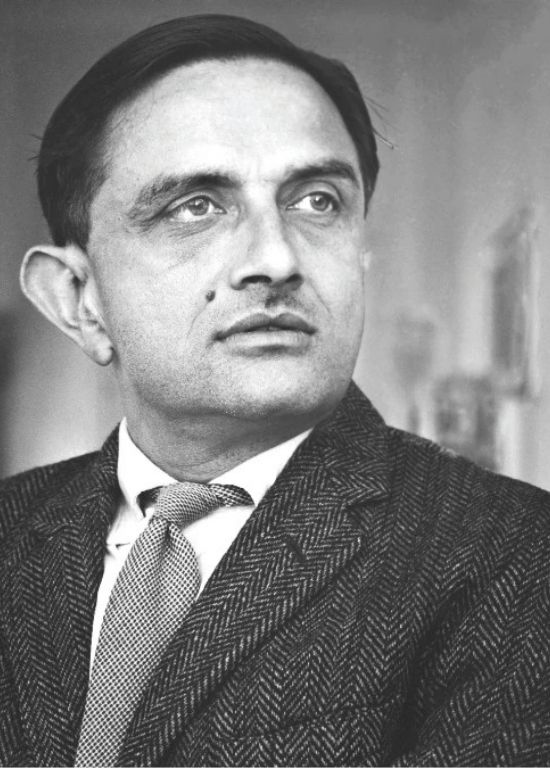
Vikram Sarabhai is widely regarded as the architect of India’s space programme. He believed that space science should be useful for people and support areas such as communication, education, and weather studies.
Under his guidance, India launched its first satellite and began developing rockets and space technology. Sarabhai also played a key role in setting up the Indian Space Research Organisation. His vision helped India enter the space age with a clear focus on practical benefits rather than competition.
Also Read: 9 Best Teachers in History Who Inspired Generations
7. Meghnad Saha
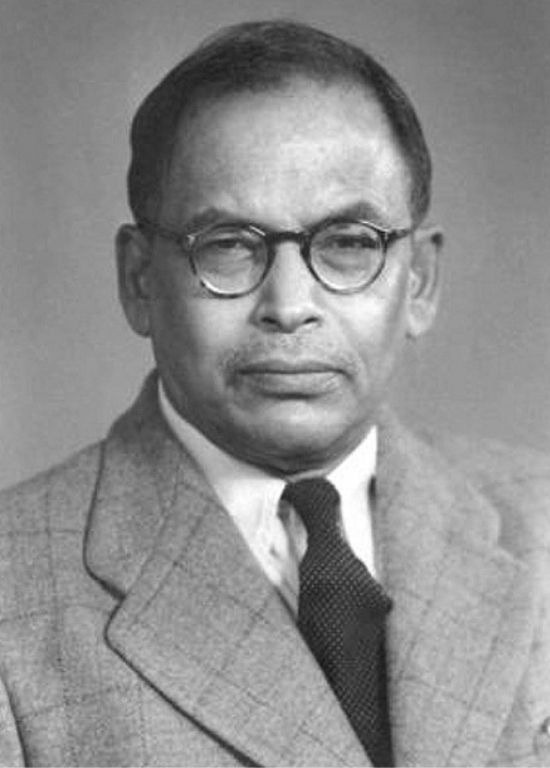
Meghnad Saha was a scientist who helped improve our understanding of stars and space. He developed the Saha Ionisation Equation, which explains how temperature affects the gases present in stars.
This helped astronomers study stars more accurately and understand how they change over time. His work became an important part of astrophysics and space research.
Apart from research, Saha also worked to strengthen science education and planning in India. His efforts helped connect scientific study with a practical understanding of the universe.
8. Srinivasa Ramanujan
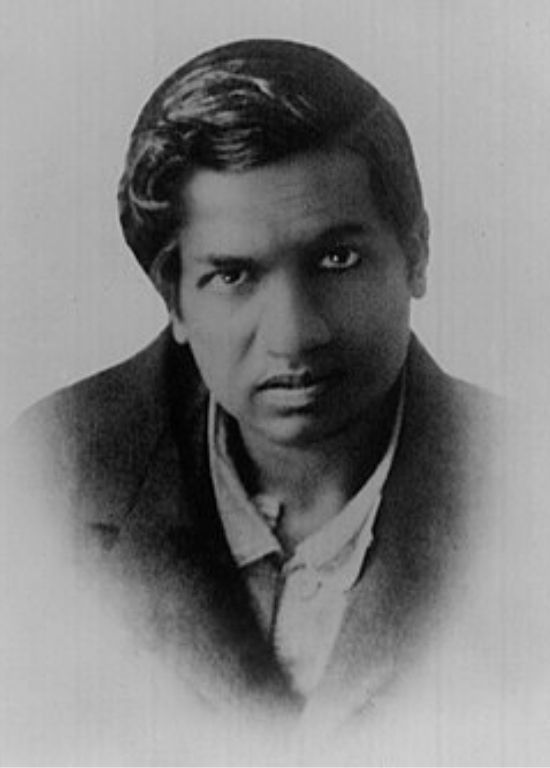
Srinivasa Ramanujan was one of India’s greatest mathematicians, renowned for his exceptional talent and profound understanding of numbers. Despite having little formal training, he made important discoveries in number theory, infinite series, and mathematical formulas that are still studied today.
His contributions to arithmetic include the Ramanujan Prime, the Ramanujan Theta Function, the Ramanujan Conjecture, and the theory of mock theta functions.
His work later gained global recognition after he collaborated with mathematician G. H. Hardy. Ramanujan’s journey demonstrates to students that a passion for learning and curiosity can lead to extraordinary achievements, even in the most challenging circumstances.
Also Read: How School Laboratories Help Students Learn Better?
9. C. N. R. Rao
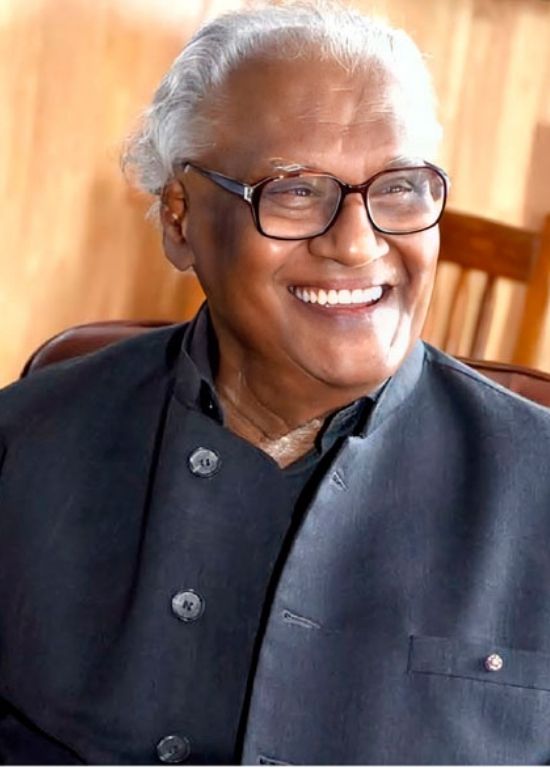
N. R. Rao is among the leading Indian scientists in the field of materials science and chemistry. His work focuses on studying materials used in electronics, energy systems, and modern technology.
He has written a large number of research papers and helped train many students who later became scientists and researchers. Rao also played an important role in strengthening scientific research and education in India by supporting laboratories and institutions. His contributions helped India gain recognition in advanced scientific research at the global level.
10. Raj Reddy
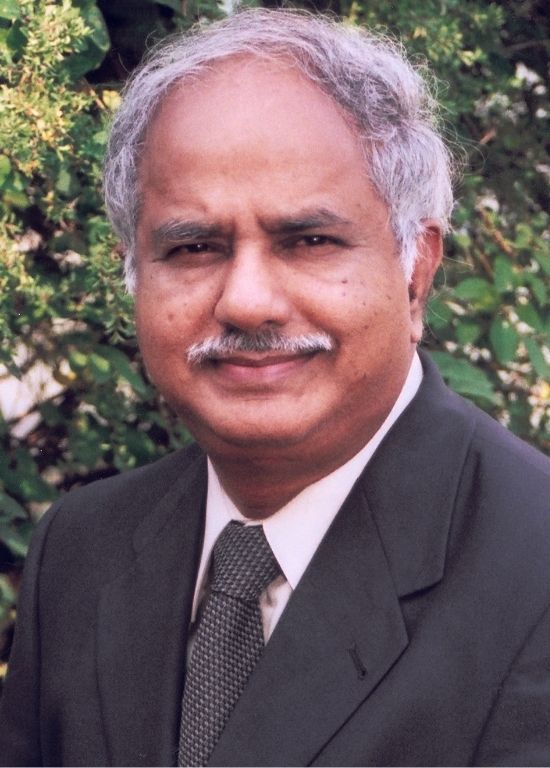
Raj Reddy is a well-known computer scientist who made major contributions to artificial intelligence (AI) and technology. His work focused on areas such as speech recognition, robotics, and human-computer interaction.
These ideas helped shape modern technologies used in smartphones, voice assistants, and automated systems. Reddy’s work laid a strong foundation for progress in human–computer interaction, machine learning, and the development of autonomous technologies.
Reddy’s research also influenced education, healthcare, and transportation technology. His work shows how computer science can solve real-world problems and improve everyday life, making technology more useful and accessible for people.
11. S. S. Abhyankar
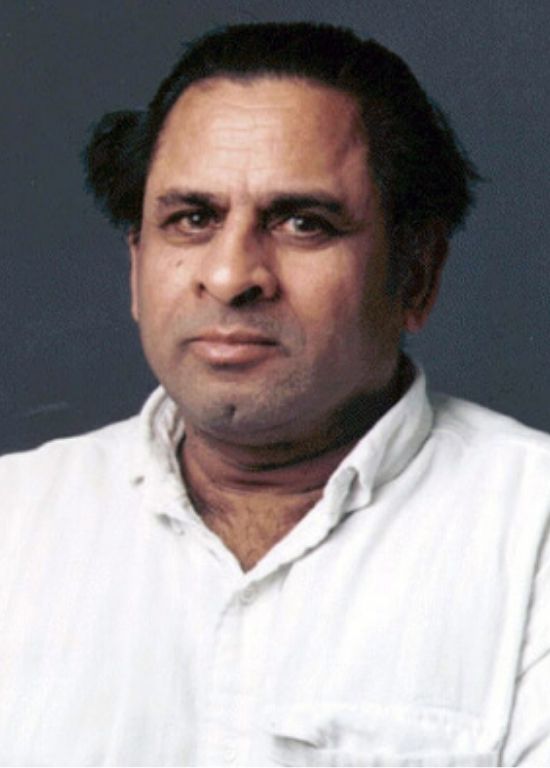
Born on July 22, 1930, S. S. Abhyankar was an important mathematician known for his work in algebraic geometry. He focused on solving complex problems related to equations, curves, and mathematical structures. His research helped simplify difficult concepts and opened new paths for future studies in mathematics.
Abhyankar also played an important role in teaching and mentoring students, encouraging clear thinking and problem-solving skills. His work continues to support advanced mathematical research and inspires students interested in pure mathematics.
Also Read: Importance of Co-Scholastic Activities in School for Students
12. Pushpa Mittra Bhargava
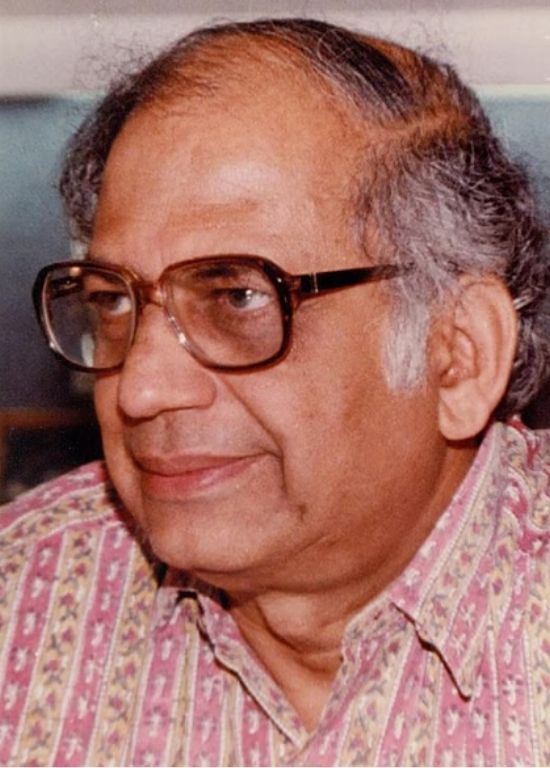
Pushpa Mittra Bhargava was a prominent scientist who helped strengthen biotechnology research in India. He played a key role in setting up research institutions and supporting studies related to biology, genetics, and medicine.
Bhargava believed that science should be used responsibly and should benefit society as a whole. Along with his research work, he encouraged ethical practices and clear thinking in science.
He also worked to improve research standards in the country and inspired many young scientists to approach science with honesty and purpose.
Conclusion
The stories of these scientists show how curiosity, patience, and hard work can shape a nation’s future. Learning about indian scientists and their inventions helps students see that progress happens step by step through learning and effort. Schools such as DPS Gurgaon push students to look beyond textbooks and learn from real-life scientific journeys. These examples remind students that science is not just about theories; it is about solving problems and improving lives.
 CHAT
CHAT