
Top 15 Female Freedom Fighters of India
When we talk about India’s freedom struggle, we often hear only a few familiar names. However, behind every movement, protest, and sacrifice stood countless individuals, including many courageous women freedom fighters who bravely resisted injustice.
They marched, led armies, spread awareness, faced imprisonment, and in many cases, gave up their lives so the nation could breathe freely. These women came from different regions and backgrounds, yet they shared one purpose.
By learning about these women freedom fighters, students can understand the values of courage, sacrifice, leadership, and resilience. Their stories teach that ordinary individuals, regardless of age or background, can stand up against injustice and contribute meaningfully to society.
This article introduces 15 such inspiring women whose courage and determination played a vital role in India’s fight for independence.
1. Rani Lakshmibai of Jhansi
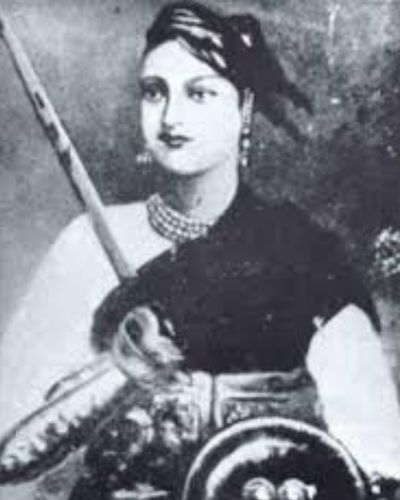
Rani Lakshmibai was one of the earliest female freedom fighters to openly challenge British rule. After the British attempted to annex her kingdom using unjust laws, she chose resistance over surrender.
During the Revolt of 1857, she led her army herself and fought bravely on the battlefield. Even under extremely difficult conditions, she refused to give up. Her courage and leadership proved that women could stand strong in times of war and inspire generations to come.
2. Sarojini Naidu
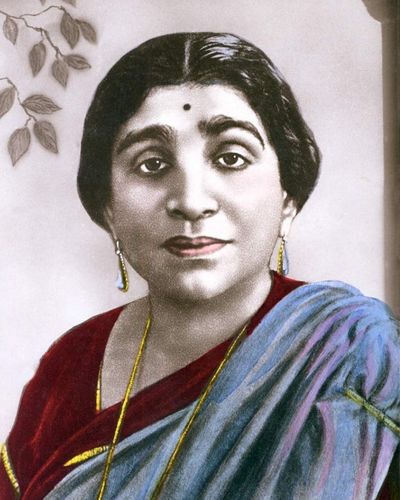
Sarojini Naidu played a significant role in India’s freedom movement through leadership and powerful communication. She travelled across the country, delivering speeches that encouraged people to join the struggle for independence.
She actively participated in movements like the Civil Disobedience Movement and the Quit India Movement. In addition to being a freedom fighter, she was also a poet whose words carried strong patriotic sentiments. Her leadership later led her to become the first woman Governor of an Indian state.
3. Begum Hazrat Mahal
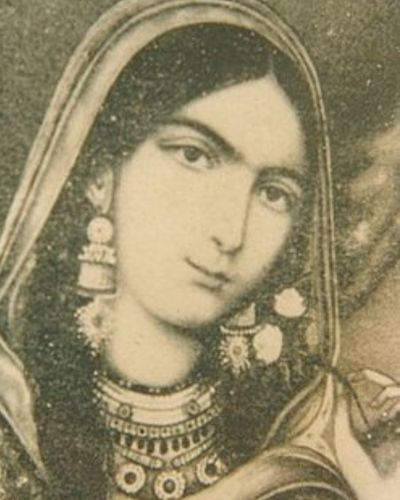
Begum Hazrat Mahal emerged as one of the strongest female freedom fighters during the Revolt of 1857 in Lucknow. When her husband was exiled by the British, she stepped forward to lead resistance against colonial forces.
She organised troops, challenged British policies, and fought to protect her kingdom. Even after being forced into exile, she remained firm in her stand. Her courage showed that leadership is not limited by position or gender.
Also Read: 12 Notable Indian Scientists & Their Inventions
4. Aruna Asaf Ali
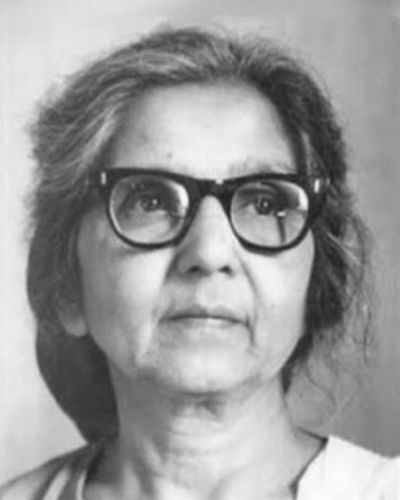
Aruna Asaf Ali became a powerful symbol of courage during the Quit India Movement. In 1942, when many leaders were arrested, she boldly hoisted the national flag in Bombay, urging people to continue the struggle.
She later worked underground to evade arrest while helping the movement stay active. Her fearlessness inspired thousands across the country. Even after independence, she remained involved in social and political activities.
5. Usha Mehta
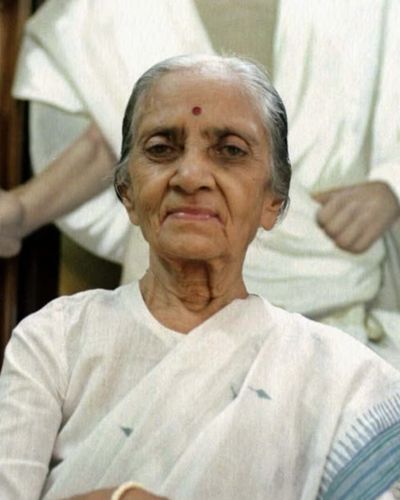
Usha Mehta made a unique contribution to the freedom struggle through underground communication. During the Quit India Movement, she helped operate an underground radio station that broadcast messages when British authorities controlled newspapers and public information.
This helped keep people informed and motivated. She was eventually arrested and imprisoned, but she never lost faith in the movement. Her work showed how courage and creativity could strengthen resistance
6. Annie Besant
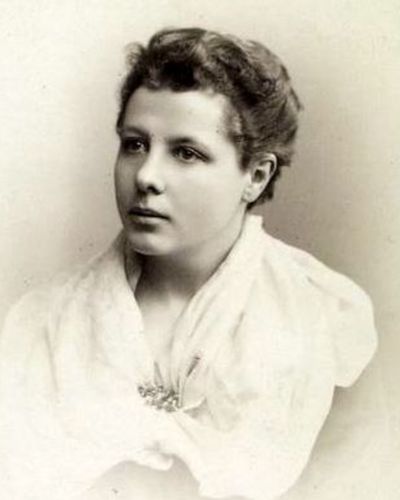
Annie Besant supported India’s freedom struggle through education and political leadership. She played a key role in the Home Rule Movement, demanding self-governance for India. Through speeches, writings, and public meetings, she spread political awareness among the masses.
Although she was born outside India, she devoted her life to the country’s progress. Her efforts helped shape early political thinking and encouraged Indians to speak up for their rights.
Also Read: 9 Best Teachers in History Who Inspired Generations
7. Kasturba Gandhi
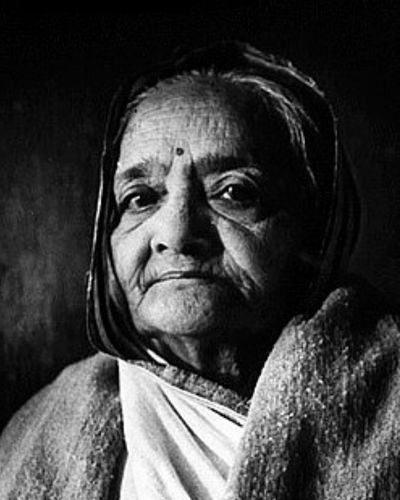
Kasturba Gandhi stood firmly beside Mahatma Gandhi during his long struggle for freedom. She actively participated in movements like Non-Cooperation and Civil Disobedience and faced imprisonment several times, and is remembered as one of the most prominent female freedom fighters of India.
Kasturba worked closely with women, promoting social reform and self-reliance. She displayed quiet strength and determination even during illness and hardship. Her contribution reminds us that leadership can also be shown through patience, resilience, and service.
8. Matangini Hazra
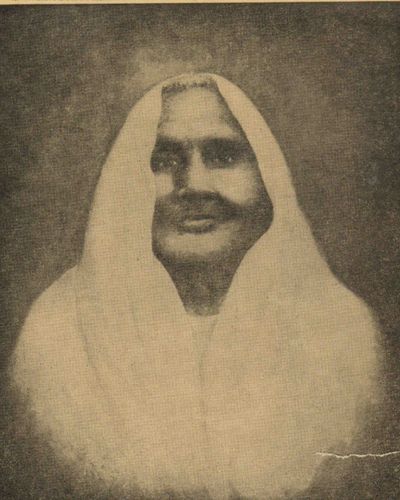
Matangini Hazra was a fearless leader from Bengal who remained active in the freedom struggle even in her later years. During the Quit India Movement, she led peaceful marches against British rule.
When the British police opened fire on protesters, she continued marching despite being injured. She died while chanting patriotic slogans, showing complete dedication to the cause. Her sacrifice became a strong symbol of courage and commitment.
9. Captain Lakshmi Sahgal
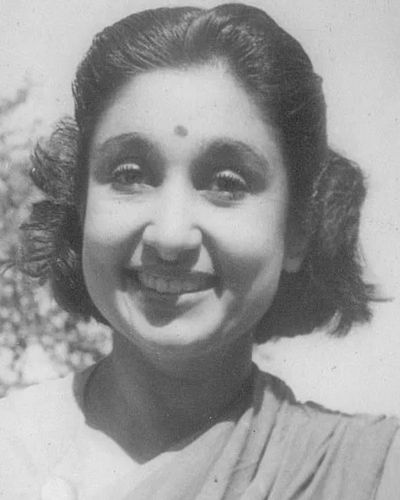
Captain Lakshmi Sahgal played a vital role in the armed struggle for independence. She led the Rani of Jhansi Regiment of the Indian National Army, encouraging women to actively join the fight.
Her leadership challenged traditional ideas about women’s roles. After independence, she continued working for social justice and healthcare. Her life showed how discipline, leadership, and service could go hand in hand.
Also Read: How School Laboratories Help Students Learn Better?
10. Kittur Rani Chennamma
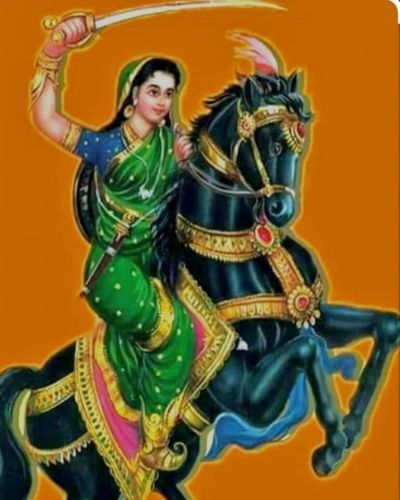
Kittur Rani Chennamma was among the first rulers to openly resist British authority. She opposed the Doctrine of Lapse and refused to give up her kingdom. Leading an armed rebellion in Karnataka, she fought bravely against British forces.
Although she was later captured, her resistance became an early example of defiance. Her story inspired many later freedom fighters and proved that resistance began much earlier than often remembered.
11. Rani Gaidinliu
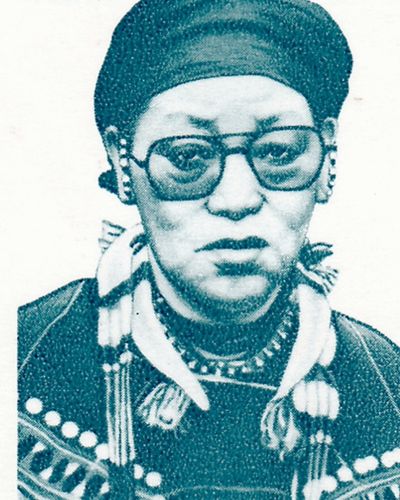
Rani Gaidinliu was a young leader from the Naga community who opposed British rule in the northeast. She encouraged her people to resist colonial control and protect their traditions.
She was arrested at a very young age and spent many years in prison. Despite this, she remained firm in her beliefs. Her contribution highlighted the role of tribal communities in India’s freedom struggle.
12. Madam Bhikaji Cama
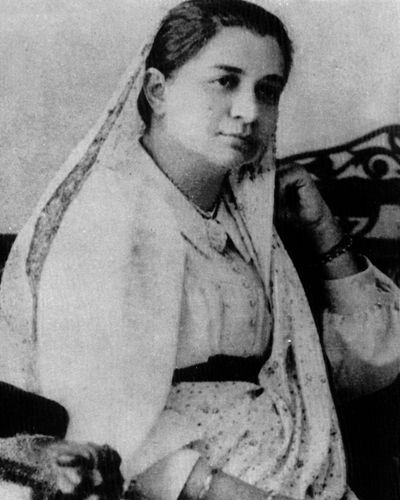
Madam Bhikaji Cama played an important role in India’s freedom struggle while living abroad. She used international platforms to speak openly about the injustice faced by Indians under British rule. At a time when India’s voice was rarely heard abroad, she helped bring global attention to the freedom movement.
She is especially remembered for unfurling an early version of the Indian national flag on foreign soil, which became a powerful symbol of resistance. Through her writings and support for revolutionary groups, she kept India’s cause alive beyond its borders.
Also Read: Importance of Co-Scholastic Activities in School for Students
13. Rajkumari Amrit Kaur
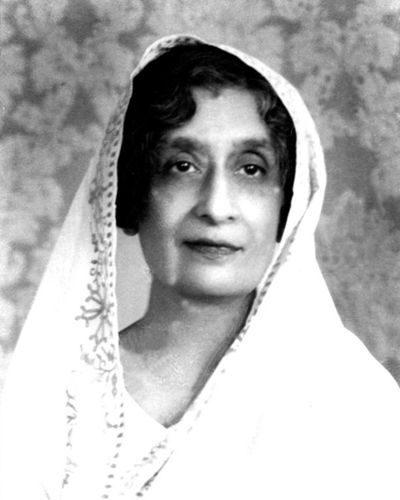
Rajkumari Amrit Kaur was deeply involved in India’s freedom movement and firmly opposed British rule. She participated in protests and was imprisoned for her role in the struggle. Alongside political work, she supported social reform, especially related to women’s welfare and public health.
After independence, she became India’s first Health Minister and worked to improve hospitals, medical education, and healthcare access. Her contribution showed that freedom was not only about ending British rule but also about building a healthier and fairer society.
14. Begum Rokeya Sakhawat Hossain
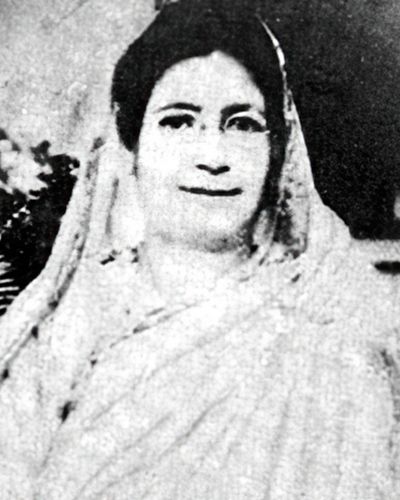
Begum Rokeya Sakhawat Hossain believed that education was the most powerful tool for freedom and equality. During British rule, she worked tirelessly to promote education for women, especially in communities where girls were denied learning opportunities.
She established schools and wrote essays and stories that highlighted women’s rights and social issues. Her efforts helped women gain confidence and independence. Although she was not directly involved in protests, her work supported the freedom movement by creating awareness and encouraging social change.
15. Dhaka Tara Devi
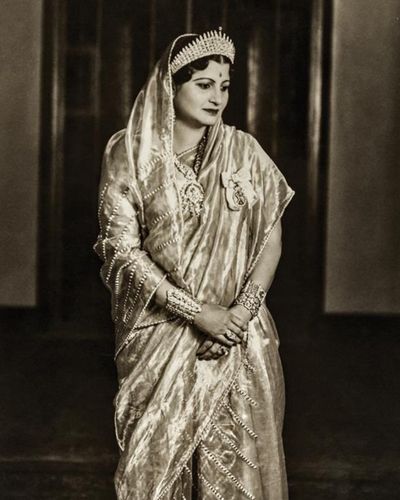
Dhaka Tara Devi joined the freedom struggle at a very young age, displaying remarkable courage beyond her years. She actively participated in protests and boldly confronted British officers during demonstrations.
Her fearless actions surprised many and inspired others to join the movement. Despite being so young, she showed strong determination and belief in India’s independence. Her story reminds us that the fight for freedom included people from every age group, united by the desire for a free nation.
Conclusion
Learning about India’s freedom fighters helps students understand that bravery does not always look the same. Some led armies, some raised their voices, and others worked quietly to bring change. Schools like DPS Gurugram encourage students to explore these stories beyond textbooks.
 CHAT
CHAT