
The Importance of Cultural Activities in School
School life is not only about books, exams, and classrooms; it also plays a vital role in shaping students as individuals. One important part of this growth comes from cultural activities in school, which allow students to express ideas, understand traditions, and build confidence.
When students participate in performances, celebrations, or creative work, they develop skills that textbooks alone cannot teach. Cultural activities add energy to school life and help students discover interests beyond academics.
In this article, we will explain what cultural activities are, the different forms they take, and why they matter so much in a student’s overall development.
What Are Cultural Activities?
Cultural activities are school-based experiences that promote learning through participation rather than textbooks. These include art, dance, drama, storytelling, festival celebrations, and group performances.
Such activities give you space to express thoughts, understand traditions, and work with others. Through cultural activities in school, kids learn about values, customs, and creative expression.
They also gain opportunities to participate in group work, present ideas, and build confidence outside the classroom. These activities support learning practical and engaging way, making school life more balanced and meaningful.
Cultural activities are not limited to special occasions. Schools like DPS Gurugram incorporate them throughout the year in various forms. When these activities become part of regular school life, students feel more connected to their environment, making learning more enjoyable and balanced.
Also Read: 12 Republic Day Activities For Students
Different Cultural Activities for Students
Below are some cultural activities for students usually organised in schools:
A. Performing Arts Activities
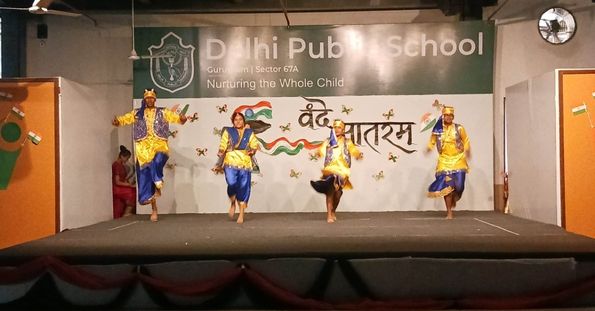
1. Traditional Dance Activities
Traditional and regional dance forms are often introduced through practice sessions or school performances. These may include classical dances such as Bharatanatyam, Kathak, Odissi, or Kuchipudi, along with regional folk dances like Garba, Bhangra, Lavani, or Ghoomar.
2. Drama and Theatre Activities
Drama activities include plays, skits, and role-play based on stories, history, or social themes. Students participate as actors, narrators, or backstage helpers. Drama improves communication skills and encourages students to express emotions clearly.
3. Regional and Folk Music Activities
Schools often include folk songs and group music performances during events. These activities introduce students to musical traditions from different regions.
4. School Bands and Choirs
School bands and choirs allow students to perform together through instrumental music or group singing. Students may take part in school assemblies, annual functions, or special events.
B. Creative and Visual Arts Activities
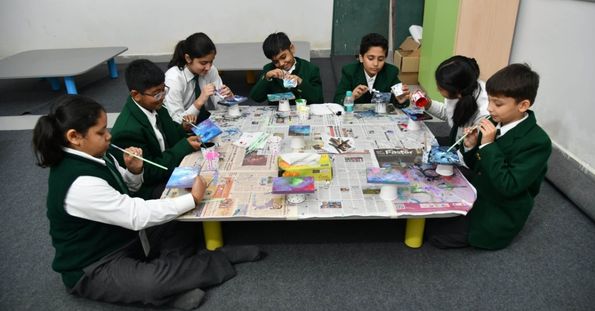
1. Art Displays and School Exhibitions
Students create artwork such as drawings, paintings, rangoli, or traditional art forms, which are displayed during exhibitions or cultural events. These may include pencil sketches, watercolour and acrylic paintings, rangoli designs, collage work, and traditional art styles such as Madhubani, Warli, Gond, or Kalamkari.
2. Clay Work and Craft Activities
Some schools include clay modelling or simple craft sessions as part of cultural learning. Students work with their hands to create basic forms or objects.
3. Pottery and Sculpture Workshops
Pottery and sculpture workshops introduce students to working with materials like clay, terracotta, or simple sculpting tools. They can learn basic shaping techniques and create small pots, figurines, or decorative items.
Also Read: 15 Fun Diwali Activities for Kids at School & Home
C. Heritage and Community-Based Activities
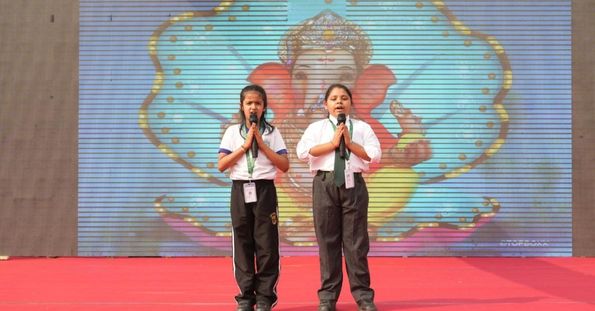
1. Festival Celebrations in School
Schools celebrate different festivals through performances, decorations, and group participation. Students learn the meaning and traditions behind each celebration.
2. Educational Visits and Heritage Learning
Visits to monuments, museums, or cultural locations are sometimes combined with classroom discussions and activities.
D: Language & Literature Events
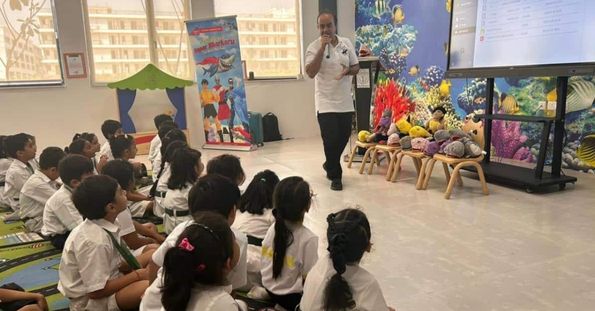
1. Debates and Speaking Activities
Students take part in debates or speeches on cultural, social, or value-based topics. These activities help students speak clearly and share their thoughts with confidence.
2. Poetry Recitation Activities
Students recite poems in regional or national languages during assemblies or school events. This helps improve pronunciation and comfort with language.
3. Storytelling Sessions
Storytelling activities are based on local folktales and traditional stories. These sessions help students understand values and improve listening skills.
4. Writing Activities
Students take part in essay writing, short story writing, and slogan-making activities. These activities help them organise ideas and improve writing skills.
5. Reading and Author Interaction Sessions
Schools encourage reading through book discussions and occasional meetings with authors. These sessions help students develop an interest in books and gain an understanding of different writing styles.
Also Read: 12 Best Dussehra Activities For Kindergarten Kids
E. Photography Clubs and Exhibitions
1. Photography Club Activities
Photography clubs enable students to learn the basics of camera handling and composition. Students capture images of school events, nature, or daily life within the campus.
2. Photo Exhibitions and Displays
Students display selected photographs during school exhibitions or on noticeboards. This helps them share their work and learn how images can tell stories.
3. Event and Campus Documentation
Photography teams often document school functions, celebrations, and activities. This helps students observe details carefully and understand the importance of recording moments.
F. Cultural Walks and Fashion Shows
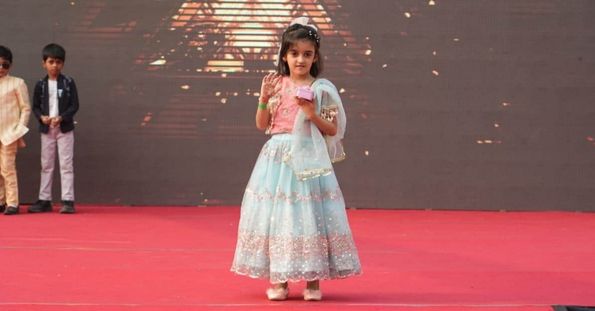
1. Traditional Dress-Up Days
Schools organise dress-up days where students wear traditional clothing from different states or regions. This helps students learn about regional attire and cultural identity.
2. Cultural Walks and Parades
Cultural walks or parades are conducted where students walk together wearing traditional outfits and carrying cultural symbols.
3. “Know Your Culture” Exhibitions
Schools organise themed exhibitions where students display information about traditions, food, clothing, and customs from different regions.
Also Read: Community Helpers and Their Role in Our Lives
Benefits of Cultural Activities at School
Cultural activities play an important role in a student’s overall development. They support learning, behaviour, social skills, and personal confidence in ways that classroom teaching alone cannot.
1. Improves Focus And Learning Ability
Taking part in cultural activities keeps students mentally active. Activities like drama, art, and group performances improve attention and memory. This helps students stay focused during lessons and understand concepts better.
2. Builds Confidence And Self-Expression
When students perform, present work, or participate in events, they gradually become more confident. Cultural activities give them a safe space to express thoughts and ideas without fear of judgment.
3. Teaches Time Management And Responsibility
Balancing practice sessions with studies helps students organise their time. They learn to plan, meet deadlines, and take responsibility for their tasks.
4. Encourages Discipline And Commitment
Regular practice for cultural events teaches consistency and dedication. Students understand the importance of effort and preparation, which also helps them develop disciplined study habits.
5. Strengthens Communication Skills
Activities such as storytelling, drama, and group discussions improve speaking and listening skills. Students learn how to communicate clearly and confidently in different situations.
Also Read: The Importance of Teaching Children Empathy and Compassion
6. Promotes Teamwork And Cooperation
Most cultural activities involve working in groups. Students learn how to share responsibilities, respect others’ opinions, and work together towards a common goal.
7. Develops Creativity And Independent Thinking
Art, music, and performance activities encourage students to think creatively. They learn to explore ideas, use imagination, and find their own way to express thoughts.
8. Builds Emotional Understanding And Empathy
Through cultural participation, students become more aware of emotions and perspectives. This helps them understand others better and improve relationships with peers.
Conclusion
Cultural activities play a key role in shaping student growth. They support confidence, communication, creativity, and social understanding. When schools include such activities regularly, students feel more connected and involved. Academic learning becomes richer and more meaningful when balanced with cultural experiences.
Schools like Delhi Public School Gurgaon continue to support cultural learning as part of education. This helps students develop skills that remain useful throughout life.
 CHAT
CHAT