
A child’s first school experience can shape how they feel about learning, friendships, and new experiences. For parents, finding the right nursery school is about more than choosing a convenient location or an attractive campus.
They need to understand the teaching approach, classroom environment, safety arrangements, teachers’ experience, and activities offered to young learners.
With so many options available, making a decision can feel overwhelming. Asking the right questions during school visits can help parents understand what happens beyond the admission brochure. Here are 12 important questions to ask before selecting a nursery school for your child.
Why Asking the Right Questions Matters
Children entering nursery are experiencing a structured learning environment for the first time. They are learning to communicate with others, follow simple routines, share toys, and become comfortable spending time away from their parents.
Therefore, the school environment should support their emotional, social, physical, and intellectual development.
When comparing the best schools in Gurugram, parents should look beyond infrastructure, advertisements, and reputation. A school may have impressive facilities, but its teaching methods, teacher-child interaction, hygiene standards, and daily routines matter equally.
Asking relevant questions helps parents understand how a school manages everyday situations, supports individual needs, and communicates with families.
It also makes comparing different institutions easier. Instead of relying only on promises, parents can make decisions based on practical information and their child’s requirements.
Also Read: Why Nursery Education Matters in Early Childhood?
12 Things to Ask Before Nursery Admission
1. What Teaching Methodology Does the School Follow?
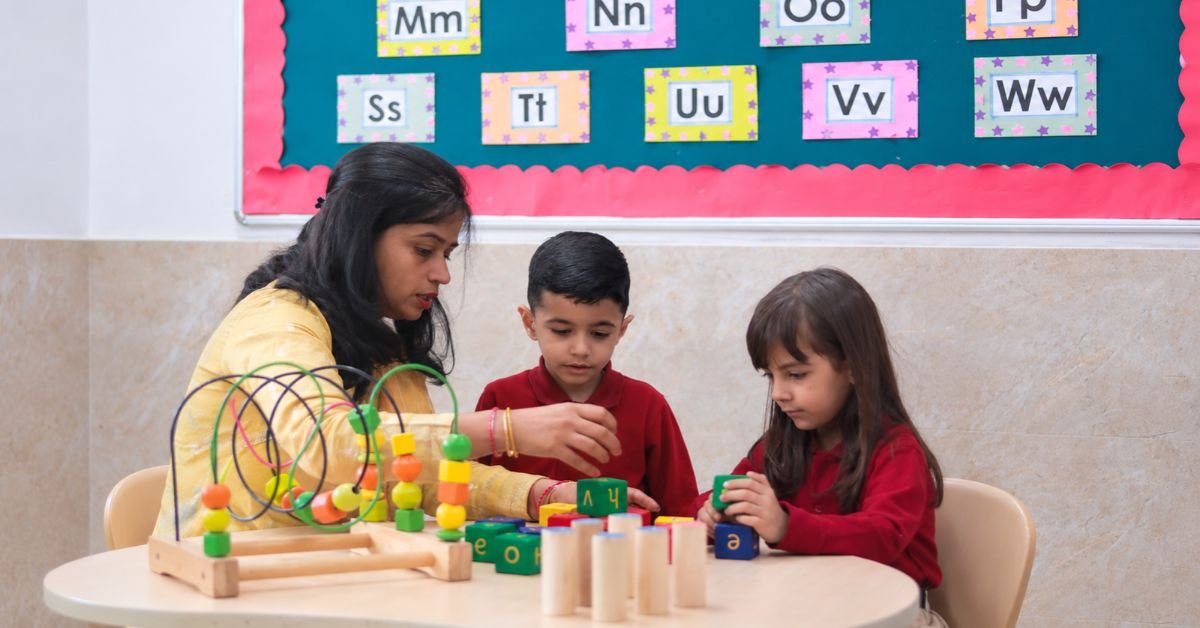
Ask how teachers introduce basic concepts to young children. Do they use storytelling, rhymes, puzzles, games, art, and hands-on activities? Nursery children learn through exploration and interaction, so lessons should not depend entirely on worksheets or memorisation.
Also, understand how the school balances structured activities with free play. A good early-years programme should make learning enjoyable while encouraging curiosity and creativity.
2. What Are the Qualifications and Experience of Teachers?
Teachers play an important role in a child’s first school experience. Ask about their educational qualifications, early childhood training, and teaching experience. You should also understand whether classroom assistants are available to support teachers.
Observe how teachers communicate with children during your visit. They should be patient, approachable, and encouraging, especially when a child struggles to express feelings or follow instructions.
3. What Is the Student-Teacher Ratio?
Young children often need individual attention, particularly during their initial months at school. Ask how many children are assigned to each teacher and whether assistants are available.
A manageable class size can help teachers understand individual learning needs, notice behavioural changes, and provide timely support. Also, ask whether the ratio remains consistent throughout classroom activities and outdoor play.
Also Read: Nursery Admission in Gurgaon 2027-28: Dates, Age Criteria, Documents & Timeline
4. What Safety and Security Measures Are Available?
Your child’s safety should always be a priority. Ask about CCTV cameras, security personnel, visitor entry procedures, classroom supervision, and authorised pickup arrangements.
Find out whether the school has emergency evacuation plans, fire safety equipment, and procedures for handling injuries. Also, understand how parents are informed if a child becomes unwell or needs medical attention during school hours.
5. How Does the School Handle Separation Anxiety?
Starting nursery can be emotionally challenging for children who have never spent extended periods away from their parents. Ask whether the school follows a gradual settling-in process and allows parents to support children during the initial days.
Understand how teachers comfort children who cry, refuse to participate, or miss their families. A supportive transition process can help children feel secure and develop confidence in their new surroundings.
6. What Does a Typical School Day Look Like?
Ask the school to explain a regular nursery timetable. How much time is dedicated to classroom learning, outdoor play, meals, storytelling, and rest? Young children need a balanced routine with active and quiet activities.
Also, find out whether the school allows children enough free-play time. A predictable routine helps them feel comfortable, understand daily expectations, and gradually become more independent.
Also Read: 10 Tips to Prepare Your Child for Nursery Admission
7. What Facilities Are Available for Learning and Play?
Visit the classrooms, playgrounds, activity rooms, and washrooms. Check whether the furniture, toys, books, and learning materials are suitable for young children.
Ask whether the school has dedicated spaces for music, art, dance, and physical activities. Clean surroundings, age-appropriate equipment, and accessible play materials can make everyday learning more enjoyable.
8. How Does the School Maintain Hygiene and Health?
Young children need a clean environment where their health and hygiene are taken seriously. Ask how frequently classrooms, toys, washrooms, and common areas are cleaned.
Find out whether the school has a medical room, trained staff, first-aid facilities, and arrangements for medical emergencies. Also, understand its policies regarding sick children, food allergies, drinking water, and handwashing routines.
9. How Does the School Communicate with Parents?
Regular communication helps parents understand their child’s experiences and progress. Ask whether the school shares daily updates, activity reports, photographs, or feedback through an app or communication platform.
Also, check how frequently parent-teacher meetings take place and whom you should contact if your child faces any difficulties. Clear communication helps parents and teachers work together to support children’s development.
Also Read: Nursery Admission Age Criteria for CBSE Schools: A Guide
10. What Extracurricular Activities Does the School Offer?
Nursery education should include opportunities to explore different interests. Ask whether children participate in music, dance, painting, storytelling, yoga, outdoor games, and cultural activities.
These experiences encourage creativity, communication, coordination, and confidence. Find out whether activities are included in the regular timetable or require additional fees.
11. What Are the School Timings, Transport, and Fee Structure?
Understand the daily school timings, holidays, leave policies, and late-pickup arrangements. If you need transportation, ask about GPS tracking, CCTV cameras, bus attendants, and pickup procedures.
Request a complete fee breakdown covering admission charges, tuition, transport, meals, uniforms, and activity expenses. This will help you plan your budget and avoid unexpected costs.
12. How Does the School Track a Child’s Progress?
Ask how teachers observe and evaluate children’s development. Nursery assessment should consider communication, social interaction, creativity, motor skills, and basic concept development rather than relying only on written tests.
Find out whether teachers share individual feedback and suggest activities parents can try at home. This helps families understand their child’s strengths and identify areas where additional encouragement may be useful.
Also Read: Understanding The Differences Between Preschool & Primary School
Conclusion
Selecting a nursery school requires careful consideration of your child’s comfort, learning needs, and overall development. Parents exploring the best nursery school in Gurgaon can also visit DPS Gurugram, Sector 67A, to understand its Whole Child Approach, early-years programme, facilities, and teaching methods. Speak with teachers, explore the campus, and ask questions before making your decision. The right school can make your child’s first learning experience enjoyable and meaningful.