
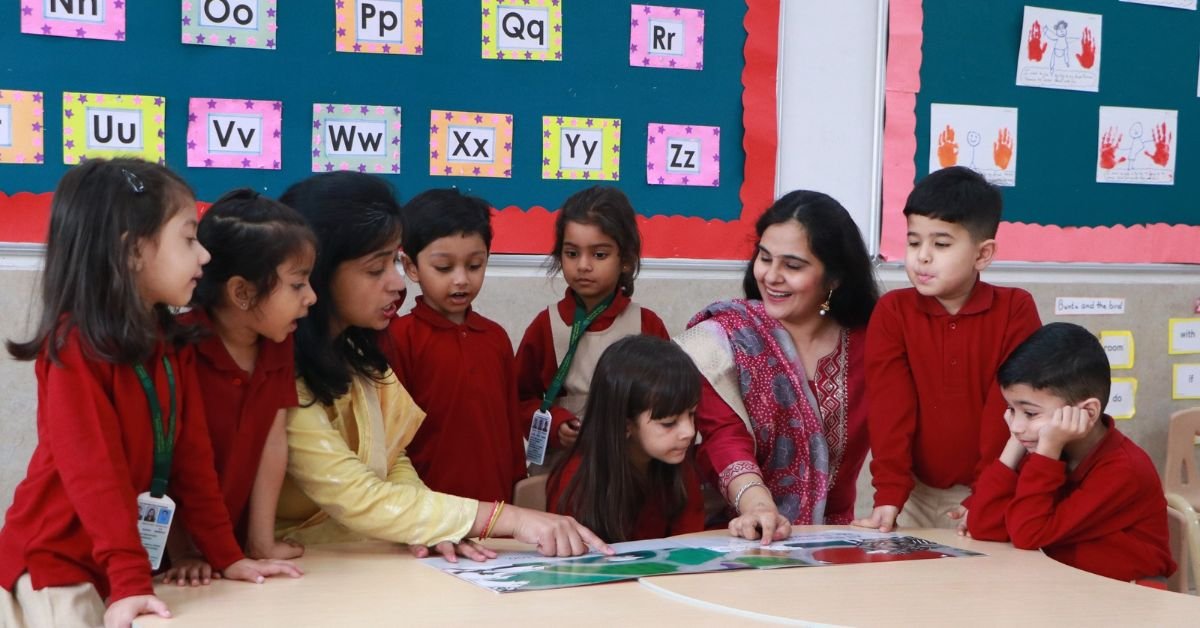

Every parent wants their child to grow into a confident, independent, and successful individual. But have you ever wondered when the foundation for this journey is actually built? It begins much earlier than most people think.
The first few years of a child’s life play an important role in shaping their personality, learning abilities, and understanding of the world. This is where early education makes a difference.
A good learning environment, supportive teachers, and engaging activities can help children develop essential skills that last a lifetime.
Why Are the Early Years Crucial for Child Development?
Childhood is a period of constant discovery. From recognising familiar faces to learning new words, understanding emotions, and exploring their surroundings, children develop several abilities during their early years.
These experiences shape how they think, communicate, interact, and respond as they grow.
Early learning is not just about introducing children to the alphabet, numbers, or shapes. It also means letting them ask questions, experiment with different things, make mistakes, and discover solutions.
For example, when a child builds a tower using blocks, they are not simply playing. They are learning about balance, shapes, coordination, and problem-solving.
Similarly, listening to stories, participating in group activities, and interacting with adults help children understand language, develop curiosity, and express their thoughts. These everyday experiences prepare them for more structured learning when they enter primary school.
Also Read: Why Nursery Education Matters in Early Childhood?
Key Areas Shaped by Early Education
Early childhood education contributes to several aspects of a child’s development. Some of the most important areas include:
1. Cognitive Development
Cognitive development refers to how children think, understand, remember, and process information. Activities such as solving puzzles, sorting objects, identifying patterns, and playing memory games encourage children to use their thinking abilities.
These activities also introduce basic concepts such as numbers, colours, sizes, and shapes. Instead of simply memorising information, children learn to understand concepts through practical experiences.
2. Language and Communication Skills
Children begin developing communication skills long before they learn to read or write. Conversations with parents, teachers and other children help them understand words, form sentences and express their needs.
Storytelling, rhymes, picture books and interactive discussions are useful ways to introduce new vocabulary. They also encourage children to listen carefully, ask questions and communicate their thoughts without hesitation.
3. Social and Emotional Development
Learning to share toys, wait for a turn, make friends and work in groups are important childhood experiences. They help children understand cooperation, patience, and respect for others.
Early learning environments also give children opportunities to recognise their emotions and understand how their actions affect people around them.
With appropriate guidance, they gradually learn to manage disappointment, express happiness, and handle everyday challenges.
Also Read: The Role of Primary Education in Child Development
4. Physical Development
Physical activities are equally important during the early years. Running, jumping, dancing, drawing, colouring, and playing with building blocks help children improve their coordination and motor skills.
Outdoor games support balance, strength, and overall fitness, while activities such as painting and clay modelling improve fine motor skills. Encouraging regular movement also helps children develop healthy habits from an early age.
5. Creativity and Imagination
Young children naturally enjoy exploring new ideas. Drawing, music, storytelling, role-playing, and craft activities give them opportunities to express their imagination.
These experiences encourage children to think independently and explore different possibilities. Rather than focusing only on correct answers, creative activities allow them to experiment and develop their own ideas.
6. Independence and Self-Confidence
Small everyday responsibilities can make a meaningful difference in a child’s development. Activities such as arranging toys, carrying their school bag, choosing a book, or completing a simple task encourage independence.
When children successfully complete these activities, they begin trusting their abilities. This confidence motivates them to try new things and participate more actively in different situations.
Also Read: Understanding The Differences Between Preschool & Primary School
How Does Early Childhood Education Shape Your Child’s Future?
The benefits of early learning extend beyond preschool and kindergarten. The experiences children gain during this stage help them develop skills that remain useful throughout their academic journey and personal lives.
Here are some ways early education can shape their future:
1. Develops a Love for Learning
Children who are introduced to learning through enjoyable activities are more likely to develop curiosity. When classrooms encourage questions, exploration, and discovery, children begin viewing learning as an interesting experience rather than an obligation.
2. Improves Problem-Solving Abilities
Simple activities such as completing puzzles, building structures, and playing matching games encourage children to think logically. They learn to identify problems, try different solutions, and understand the results of their decisions.
3. Encourages Better Communication
Regular interaction with teachers and classmates helps children become comfortable expressing their thoughts. Strong communication skills can support classroom participation, friendships, and future professional relationships.
4. Builds Emotional Strength
Children gradually learn how to respond to different emotions and situations. Whether they are dealing with a disagreement with a friend or struggling to complete an activity, appropriate guidance helps them develop patience and emotional resilience.
Also Read: 10 Tips to Prepare Your Child for Nursery Admission
5. Creates Positive Social Habits
Group activities teach children important values such as sharing, teamwork, kindness, and cooperation. These habits help them build healthy relationships and become considerate members of society.
6. Prepares Children for Formal Schooling
Early education introduces children to classroom routines, basic academic concepts, and group learning. This makes the transition to primary school more comfortable and helps them adjust to a structured learning environment.
7. Encourages Independent Thinking
When children are encouraged to share their opinions and explore different solutions, they learn that their ideas matter. This develops independent thinking and gives them the confidence to make decisions as they grow.
8. Helps Discover Individual Interests
Every child has different interests and abilities. Some enjoy music, while others prefer sports, drawing, storytelling, or solving puzzles. Early exposure to different activities helps children discover what they enjoy and where their strengths lie.
Also Read: How to Choose a Nursery School: 10 Things to Know
How Do Schools Shape a Child’s Future from the Early Years?
Choosing the right school is an important decision for parents because a child’s school environment influences their everyday experiences, habits, and learning journey.
A good school does more than teach academic subjects. It provides opportunities for children to explore their abilities, develop relationships, and become confident individuals.
Here are some important ways schools contribute to a child’s growth.
1. Providing a Safe and Supportive Environment
Children learn better when they feel comfortable, respected, and secure. A welcoming classroom, supportive teachers, and child-friendly facilities help young learners settle into school and participate without hesitation.
2. Encouraging Play-Based Learning
Play is one of the most effective ways for young children to explore new concepts. Games, storytelling, puzzles, music and hands-on activities make learning engaging while developing different skills.
India’s National Curriculum Framework for the Foundational Stage 2022 also places play at the centre of early childhood learning. It recognises free play, guided play and structured activities as important parts of a child’s educational experience.
3. Having Caring and Experienced Teachers
Teachers play an important role in shaping a child’s early experiences. They introduce new concepts, encourage curiosity, and help children understand their emotions and behaviour.
A supportive teacher also recognises that every child learns differently. Individual attention and positive encouragement help children progress at a comfortable pace.
Also Read: Nursery Admission Age Criteria for CBSE Schools: A Guide
4. Offering Exposure Beyond Academics
Sports, music, dance, art, theatre and other co-curricular activities allow children to explore different interests. Such opportunities encourage creativity, physical fitness, teamwork and confidence.
They also help children understand that learning happens beyond textbooks and classroom lessons.
5. Building Good Habits and Values
School routines teach children punctuality, responsibility, discipline and respect. Participating in group activities also encourages kindness, cooperation and consideration for others.
These values gradually become part of their everyday behaviour and help them interact positively with people around them.
6. Maintaining Strong Parent-Teacher Communication
Parents and teachers play equally important roles in a child’s development. Regular communication helps both understand a child’s progress, interests, and learning requirements.
When families and schools work together, children receive consistent encouragement and support at home and in the classroom.
Therefore, while looking for the best nursery school in Gurgaon, parents should consider more than just academic performance.
The teaching approach, safety arrangements, classroom environment, teacher-student interaction, and opportunities for overall development deserve equal attention.
Also Read: 9 Ways to Teach Children the Importance of Education
Conclusion
Early education lays the foundation for a child’s academic, social, emotional, and personal development. Choosing the right school can make these early experiences more meaningful.
DPS Gurugram focuses on developing confident, creative, and compassionate learners through academics, sports, creative activities, and its Whole Child approach. Parents exploring the best CBSE school in Gurgaon can visit DPS Gurugram to learn more about its learning environment and early-years programmes.


